Tai O Fishing Village: Hong Kong's Stilt-House Village on Lantau's West Coast
Tai O is Hong Kong's oldest fishing village, a cluster of stilt houses on Lantau's west coast that most visitors reach by a 20-minute bus ride from Ngong Ping. Here is what it actually is, what it costs, and how it fits into a cable car day.
Short answer
Tai O is a stilt-house fishing village on Lantau Island's west coast, reached from Ngong Ping by New Lantao Bus 21 in about 20 minutes for HK$7.90 on a weekday or HK$19.20 on a Sunday or public holiday. Allow two to three hours for the stilt houses, the 20-minute boat ride and the village street.
What is Tai O fishing village?
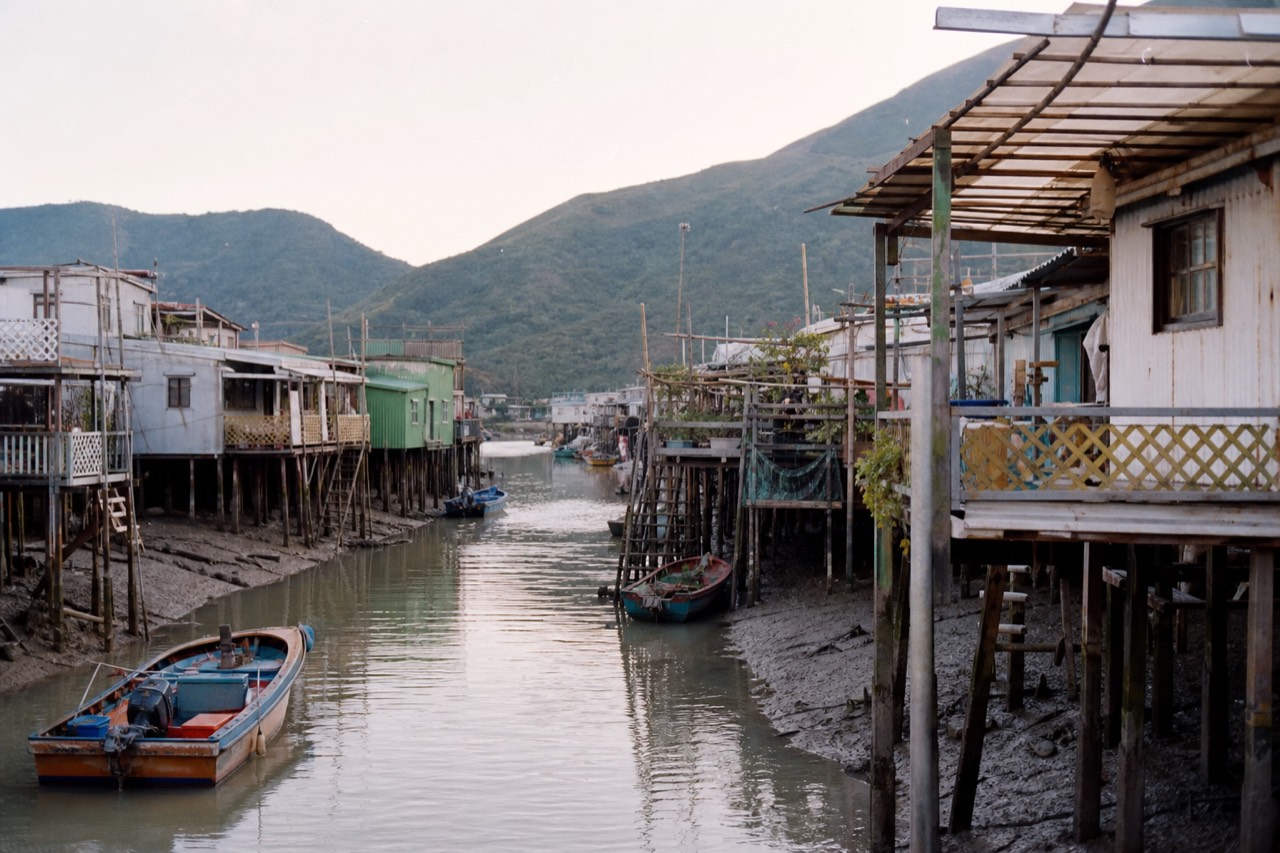
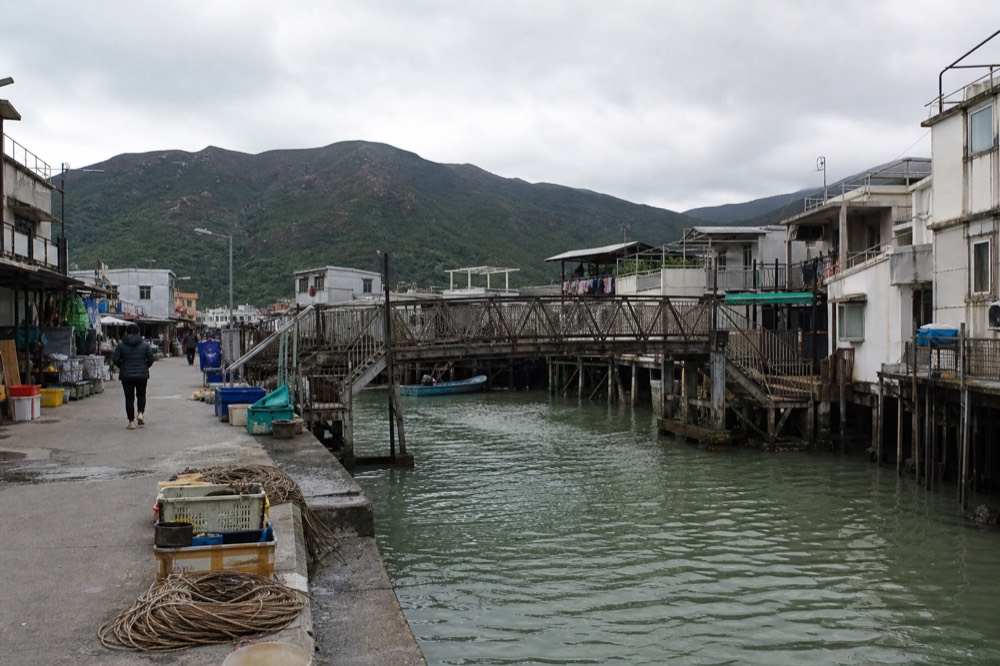
Tai O is Hong Kong's oldest fishing village, a settlement of stilt houses built on piles over the tidal channels where a river meets the sea on Lantau Island's west coast, sitting about 15 minutes by road from Ngong Ping Village and reached by most visitors as the second stop of a cable car day. It survives as a working village rather than a theme park: houses on stilts, drying shrimp paste and salted fish, small family temples, and boats still moored along the water. For visitors coming up the cable car from Tung Chung, the contrast between the plateau and the village is the whole point of the pairing.
The village is built around a waterway, with houses standing on piles driven into the channel bed and connected by short bridges and iron footbridges. This building style existed because the original Tanka fishing families lived on their boats and gradually moved ashore without leaving the water. Hong Kong has few places left where that pattern survives intact, and Tai O is the largest of them.
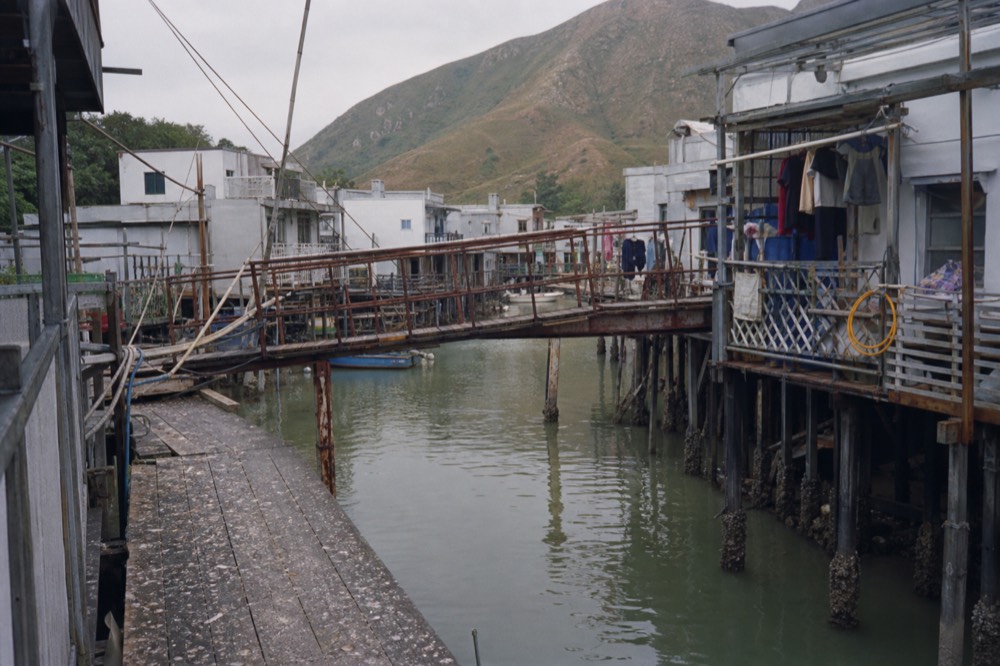
What tends to surprise first-time visitors is how ordinary much of it is. Tai O has a main street with shops, a market, snack stalls and a small museum, but it also has residents going about normal life, school runs and laundry between the stilt houses. The operator of the cable car, which runs a dedicated Tai O page, describes it plainly as Hong Kong's oldest fishing village, known for its stilt houses, and that is the honest framing: a real place you visit respectfully rather than an attraction built for you. You can read the operator's own description at the official Tai O page on np360.com.hk.
The village also holds one genuinely distinctive cultural item. The Tai O Dragon Boat Water Parade, in which villagers carry deity statues through the waterways on decorated boats at the Dragon Boat Festival, was inscribed on China's third national list of intangible cultural heritage in 2011. That is a fixed, dated fact about the village's standing, and it explains why the festival weekend is the one time of year when Tai O is genuinely packed with domestic visitors rather than tourists.
How do you get from Ngong Ping to Tai O?
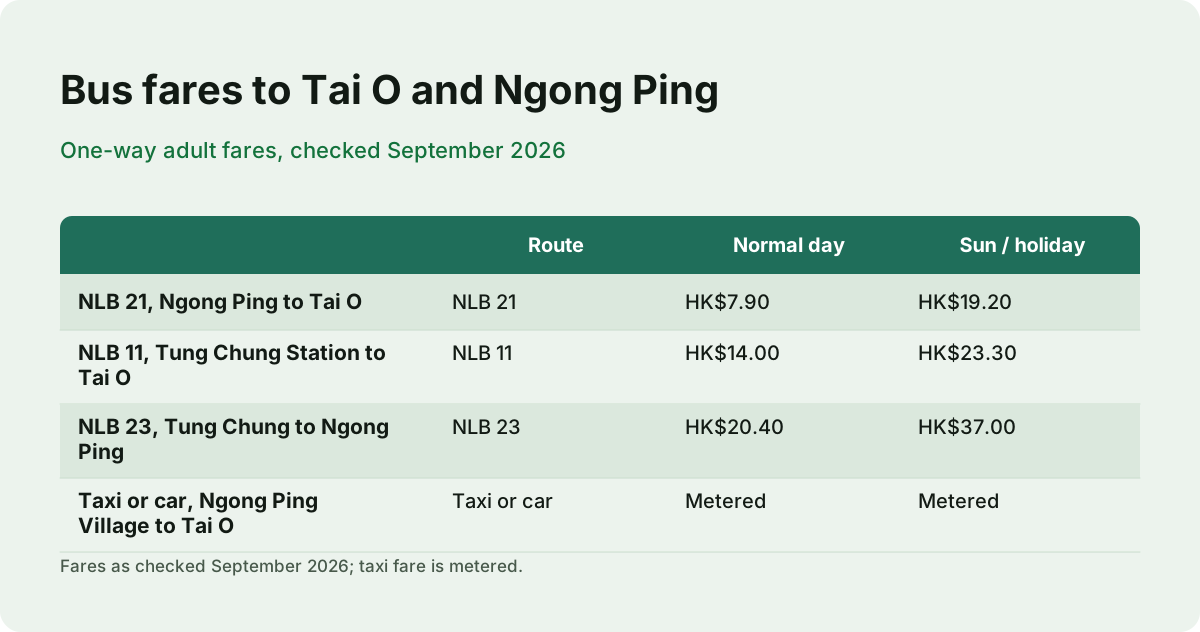
The standard connection is New Lantao Bus route 21, which runs from the Ngong Ping bus terminus to the Tai O bus terminus in about 20 minutes, costing HK$7.90 on a normal day and HK$19.20 on a Sunday or public holiday (checked September 2026). The Ngong Ping bus terminus is about a 5-minute walk from Ngong Ping Village, next to the cable car terminal. There is no direct cable car or rail link to Tai O; the bus, a taxi, or a guided tour coach are the options.
The bus fare jump deserves attention when you plan. The Sunday and public holiday fare of HK$19.20 (checked September 2026) is more than double the weekday HK$7.90, on exactly the days when most visitors are free to travel. If your Lantau day falls on a weekend or one of Hong Kong's gazetted public holidays, budget for the higher figure in both directions, since the same surcharge applies on the return.
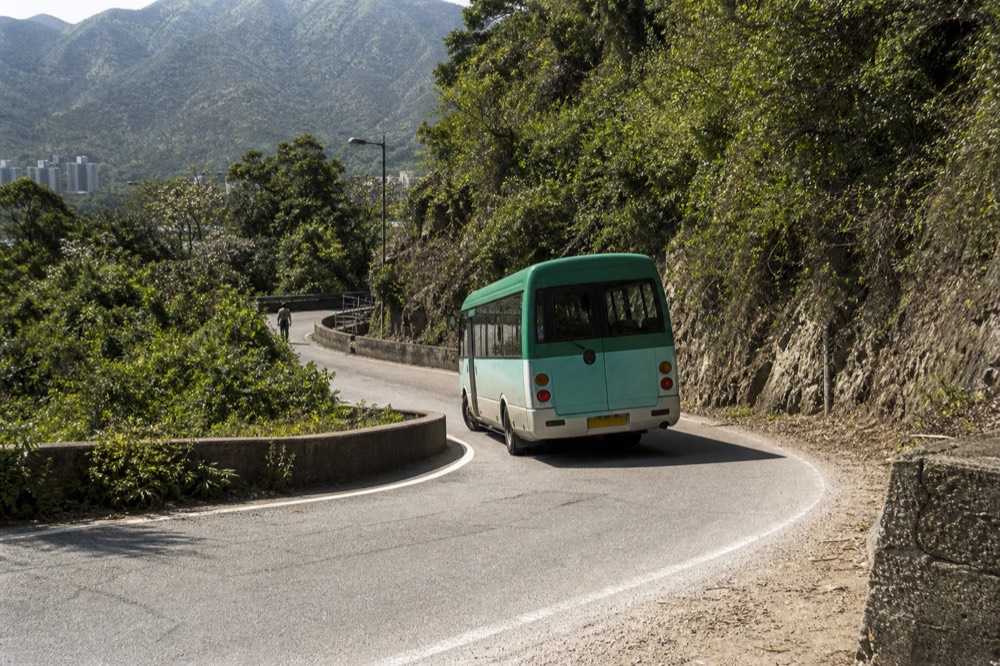
Route 21 is not the only way in. New Lantao Bus route 11 runs from Tung Chung Station direct to Tai O at HK$14.00 on a normal day and HK$23.30 on Sundays and public holidays (checked September 2026), which lets you reach the village without going up the mountain at all. On Sundays and public holidays only, route 1R also runs direct from Hung Hom Ferry Pier to Ngong Ping, which is a rare public-transport link from Kowloon to the plateau. A taxi or private car covers Ngong Ping to Tai O in about 15 minutes, per the cable car operator's own description of the distance.
| Route | From | To | Fare, normal day | Fare, Sunday / public holiday | Notes |
|---|---|---|---|---|---|
| NLB 21 | Ngong Ping bus terminus | Tai O bus terminus | HK$7.90 (checked September 2026) | HK$19.20 | About 20 minutes; terminus is a 5-minute walk from Ngong Ping Village |
| NLB 11 | Tung Chung Station | Tai O | HK$14.00 (checked September 2026) | HK$23.30 | Skips the mountain; useful in both directions |
| NLB 23 | Tung Chung, Tat Tung Road | Ngong Ping | HK$20.40 | HK$37.00 | The cable car's road fallback during closures |
| Taxi or car | Ngong Ping Village | Tai O | Metered | Metered | About a 15-minute drive |
All fares in the table above are one-way adult fares, checked September 2026. One honest limitation: the government open-data feed for New Lantao Bus publishes stops and fares but not frequencies or first and last departures, so those details are not printed here. Check the operator's own channels before relying on an early-morning or late-evening bus. This matters more than it sounds if you are trying to catch a specific last cable car descent, since a missed bus at Tai O can strand you on the wrong side of the mountain.
How does Tai O fit into a cable car day?
A workable order is cable car up from Tung Chung, Big Buddha and Po Lin Monastery, lunch, then bus 21 to Tai O for the stilt houses and the boat ride, returning either by bus to Ngong Ping for the cable car down or by route 11 straight to Tung Chung. The cable car ride is about 25 minutes each way, the bus to Tai O about 20, so the transfers themselves are short. Time, not distance, is what constrains the day.
Timing matters because the two anchor attractions keep different clocks. The cable car runs 10:00 to 18:00 on weekdays and 09:00 to 18:30 on Saturdays, Sundays and public holidays (checked September 2026), while Po Lin Monastery opens at 09:00, before the cable car does on a weekday. If you ride the first cabins up, you get the Buddha and monastery in relative quiet before the midday crowds land. Leave Ngong Ping for Tai O around early afternoon and you reach the village while the snack stalls and boat operators are fully running.
The return leg is where plans go wrong. A round-trip cable car ticket is only valid on the same day, and you cannot stay in your cabin for the descent; you alight at Ngong Ping and rejoin the boarding queue, so late-afternoon queues at the top eat into your margin. The safer structure is to give Tai O a fixed end time and work backwards. If the queue at Ngong Ping looks long, bus 11 from Tai O direct to Tung Chung Station sidesteps the descent entirely, at the cost of missing the evening view from the cabin.
There is also a maintenance wrinkle worth planning around. The cable car closes for scheduled maintenance several times a year, not once, and the long 2026 overhaul runs 8 to 18 September 2026 inclusive. During any closure, Ngong Ping Village and its indoor attractions stay open, and bus 23 becomes the mountain link. If your Tai O day overlaps a closure, the whole structure shifts: Tung Chung to Ngong Ping by bus 23, then bus 21 onward, or simply bus 11 from Tung Chung to Tai O and skip the plateau.
What are the stilt houses and the boat ride actually like?
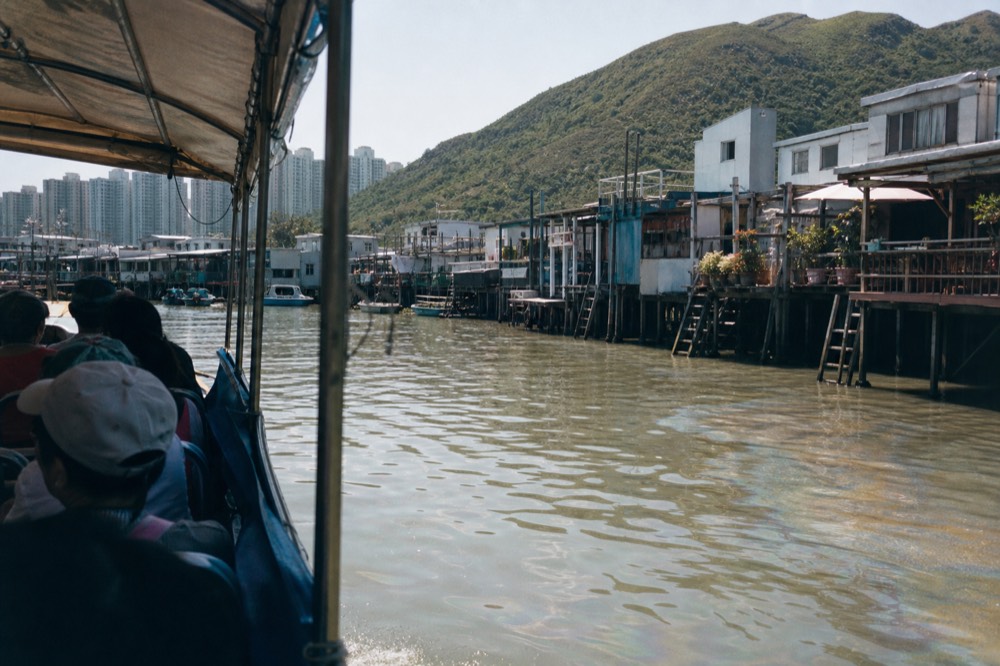
The stilt houses are residential buildings on timber and concrete piles over the channel, viewed best from the iron footbridge on the main street, and the Tai O boat excursion is a roughly 20-minute ride past the houses, a rock formation called General's Rock, and the Tai O Heritage Hotel, which was formerly the village police station. Boats moor under the iron footbridge on the main street, and the trip is short, local and unhurried.
The boat ride is the single most tour-dependent activity in the village, because it is run by local operators rather than a central box office, and this is the honest reason many visitors consider a guided tour at all. Several Lantau day tours bundle the cable car, the Big Buddha and a Tai O boat excursion into one itinerary, which removes the small frictions of finding a boat, exact bus change and lunch timing. The guided 5-hour tour that includes the Tai O boat runs from $67.6 and carries a 4.7 rating from 652 reviews on its live listing (checked September 2026).
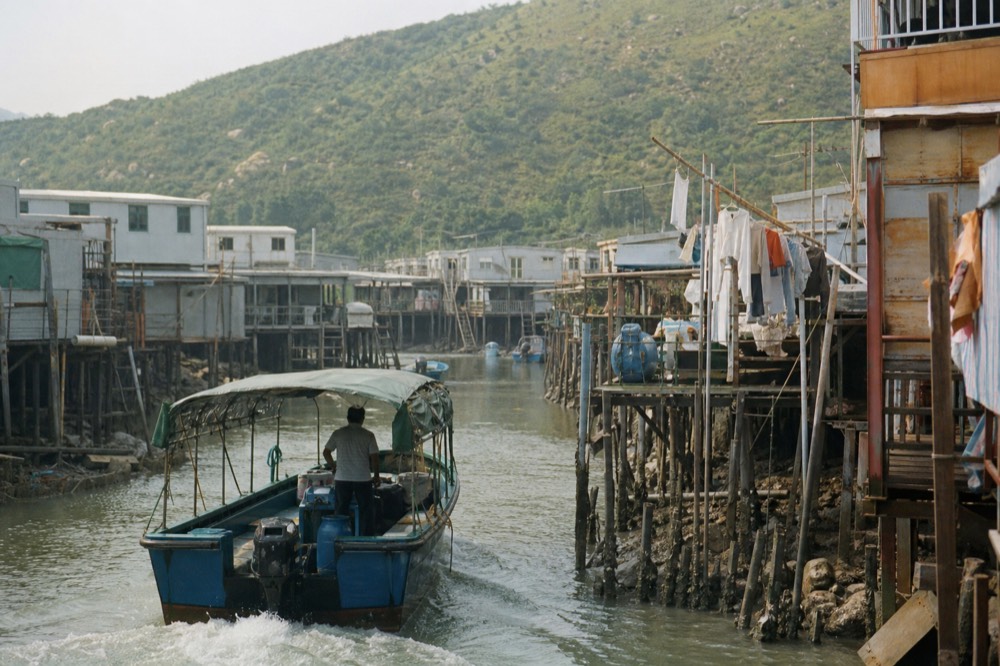
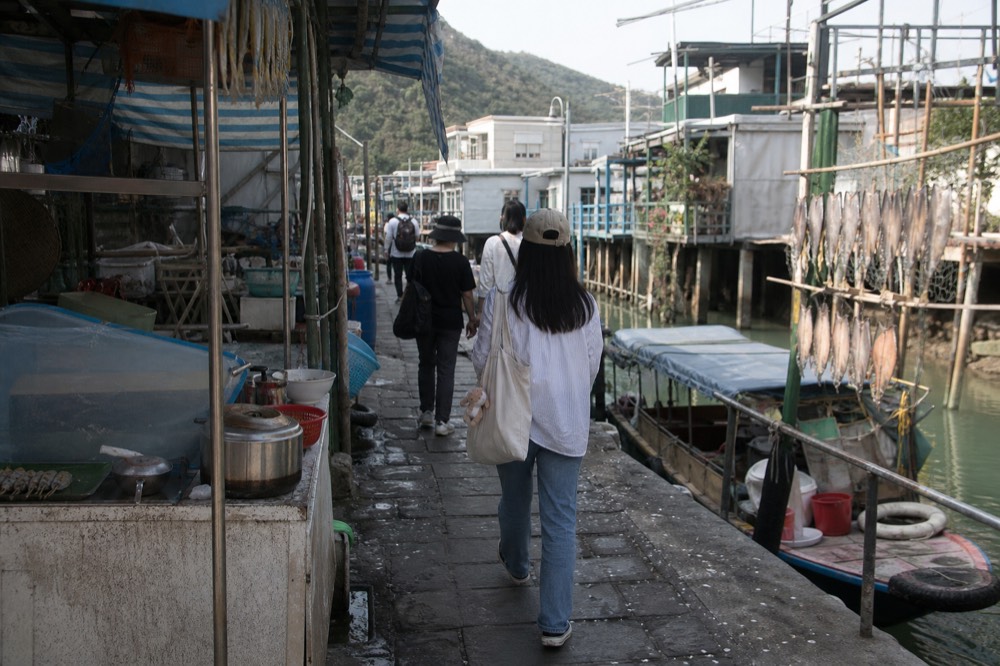
On foot, the village rewards slow wandering rather than checklist sightseeing. The main street has the market and snack stalls; cross the iron footbridge and you are among the stilt houses proper, with side lanes reaching dead ends at the water. The Tai O Heritage Hotel, a converted colonial-era police station on a small hill at the village edge, is a landmark visible from the boat. Photographers tend to do best in the hour before sunset, when the low light comes across the channel and the western position of the village faces it.
One correction worth carrying: some older guides fold the Wisdom Path into a Lantau day that includes Tai O. The Wisdom Path has been closed since 5 June 2025 for refurbishment, with completion expected in the last quarter of 2026, and it should not be on your 2026 itinerary. A viewing platform on a nearby Lantau Trail section remains open, but the path itself is not visitable, and plenty of published guides still have this wrong.
What should you eat and see in Tai O?
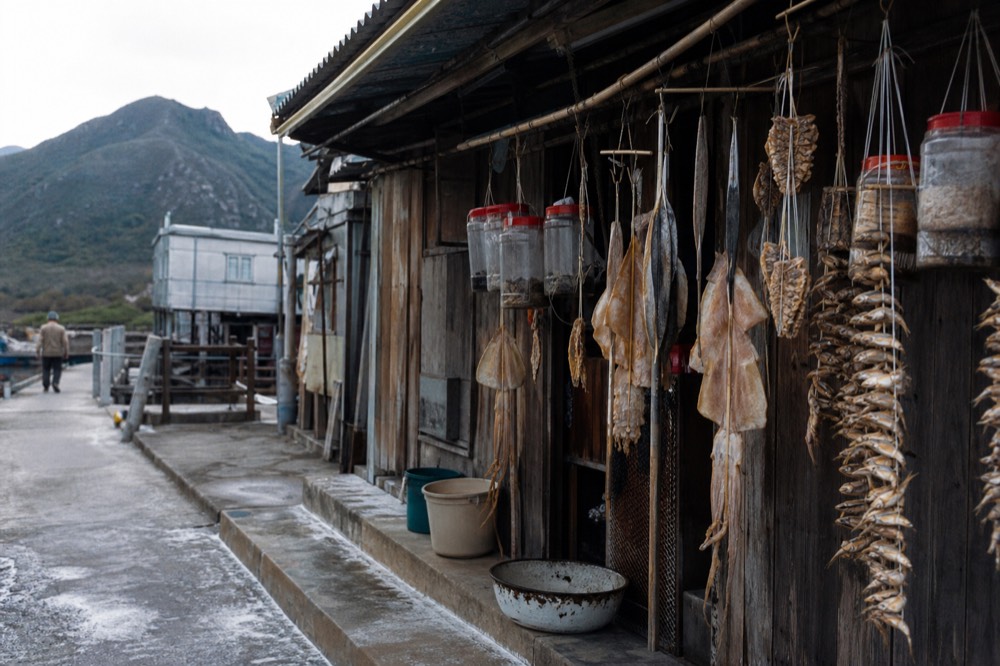
Tai O's food identity is dried and fermented seafood: shrimp paste, salted fish and shrimp roe, sold from main-street shops, plus the village's own snack stalls serving street food such as grilled squid, tofu pudding and egg waffles, and a small museum covering the village's fishing history. None of it needs booking. You walk the main street, you buy what looks good, and the drying racks behind the shops are as much of the attraction as the food itself.
The village's produce is genuinely local rather than curated for visitors. Shrimp paste from Tai O appears in Cantonese home cooking across Hong Kong, and the salted fish trade goes back to the village's days as a fishing port when catch was preserved for the week. The smell is part of the experience, and it divides visitors cleanly: some find the dried-seafood aroma the most authentic thing on Lantau, others beeline for the dessert stalls. Both survive the visit fine.
Sightseeing in Tai O is compact enough that a table is the clearest way to lay it out. Nothing in the list below requires advance booking, and none of it carries a published standalone ticket price except where noted; the boat ride is paid at the boat.
| Sight or activity | What it is | Time needed | Cost |
|---|---|---|---|
| Stilt houses and iron footbridge | Houses on piles over the channel, viewed from the bridge and side lanes | 30-60 minutes | Free to walk |
| Tai O boat excursion | About a 20-minute boat ride past stilt houses, General's Rock and the Heritage Hotel | 20 minutes | Paid at the boat, per ride |
| Main street and market | Snack stalls, dried seafood shops, egg waffles, tofu pudding | 45-90 minutes | Pay as you eat |
| Tai O Heritage Hotel grounds | The former police station, now a small hotel on the hill | 20-30 minutes | Free to view from outside |
| Tai O Dragon Boat Water Parade | Deity statues paraded through the waterways at the Dragon Boat Festival | Festival day only | Free to watch |
Two timing notes temper the list. First, the Dragon Boat Water Parade happens once a year at the festival, and on that weekend the village is crowded with local visitors who come specifically for it; it is spectacular and inconvenient in equal measure. Second, small stalls in the village keep their own hours and there is no published schedule, so late arrivals find some kitchens closed. Treat mid-afternoon as the comfortable centre of a Tai O visit rather than its edge.
How much does a Tai O visit cost?
The dominant cost of a self-planned day is the cable car ticket, HK$295 (checked September 2026) for a round-trip Standard Cabin or HK$365 for a Crystal Cabin, with the Tai O bus legs adding only HK$7.90 each way on a weekday or HK$19.20 each way on a Sunday, plus whatever you spend on the boat and food (checked September 2026). The bus leg is a rounding error compared with the cable car ticket.
The full fare ladder on the cable car, from the operator's own ticket grid, shows where the money goes. Conversions to US dollars are approximate, at 7.8403 Hong Kong dollars to the US dollar.
| Ticket | Adult HKD | Approx. USD | Notes |
|---|---|---|---|
| Standard Cabin round trip | HK$295 | ≈ $38 | Same-day legs only |
| Crystal Cabin round trip | HK$365 (checked September 2026) | ≈ $47 | Glass floor, shorter boarding line |
| Standard single trip | HK$205 | ≈ $26 | Either direction |
| Bus 21 to Tai O, weekday, each way | HK$7.90 (checked September 2026) | ≈ $1 | Doubles to HK$19.20 on Sundays and holidays |
| Bus 11 Tung Chung to Tai O, each way | HK$14.00 | ≈ $1.80 | HK$23.30 on Sundays and holidays |
All fares above are one-way bus fares and round-trip or single cable car fares as stated, checked September 2026. Two discounts can change the arithmetic. Children aged 3 to 11 pay reduced fares on both the cable car and the buses, infants under 3 travel free on the cable car, and guests with a disability get 30% off cable car tickets at either terminal office with valid proof, a policy in force since 1 April 2026. Hong Kong residents holding a JoyYou or Senior Citizen Card pay senior fares, but there is no visitor surcharge: overseas visitors pay exactly the adult price, no more.
For visitors comparing this against a guided tour, the honest comparison is total cost against total friction. The 6-hour guided tour covering the cable car, Big Buddha and the fishing village runs from $70.15 with a 4.8 rating from 490 reviews on its live listing (checked September 2026), against the individual fares in the table above arranged yourself, plus the boat and lunch in either case. The difference buys the guide, the coach and the guaranteed boat slot, not better attractions.
When is the best time to visit Tai O?
The best statistical window for a Lantau day that includes Tai O is October to November, when Hong Kong averages its lowest humidity, its highest sunshine, almost no rain, no fog days and a falling typhoon risk, while the worst visibility months are February to April, when nearly all of Hong Kong's 3.7 annual fog days occur. These figures are Hong Kong Observatory 1991-2020 normals, recorded at the Observatory's urban headquarters, so treat them as a regional guide rather than village-level data.
The seasonal risk split matters more on Lantau than in the city because your transport is exposed. The cable car suspends in inclement weather, and the published design thresholds, from a 2006 Hong Kong government reply rather than any current operator policy, are 90 km/h sustained wind or 135 km/h gusts. Fog is a separate, quieter risk: the Ngong Ping plateau sits high, and a clear morning in Tung Chung can still be a whiteout at the top. If the point of your day is views, February to March, with 101.7 and 100.0 sunshine hours respectively and the year's highest humidity, is the wrong time to gamble on it.

For Tai O specifically rather than the cable car, the calculus shifts slightly in your favour. The village is at sea level, so plateau fog matters less, and the boat ride tolerates overcast skies even if it loses charm in rain. A practical rule of thumb from the climate data: if your trip falls in the wet summer months of June to August, keep the Tai O half of the day flexible, since typhoon warning signals average 4.17 days in August and 3.83 in September, and a signal can suspend the cable car leg while leaving the village itself perfectly visitable by bus.
Crowds follow the calendar more than the weather. Hong Kong's gazetted 2026 public holidays cluster around Lunar New Year in February, the Easter period in early April, 1 May, 1 October and late December, and mainland Golden Week travel on 1 to 7 October 2026 floods Hong Kong attractions generally. The cable car operator recorded record daily Mainland visitor numbers during a National Day holiday and ran its Crystal+ cabins above 90% utilisation at peak periods. On those dates, expect queues at the top even with a pre-bought ticket, since e-tickets skip the ticket counter but not the boarding line for Standard cabins.
Is a guided tour worth it for Tai O?
A guided tour is worth considering mainly for the Tai O boat ride and the buses: tours bundle the cable car, the Big Buddha and a boat excursion into one itinerary with fixed timings, which is a genuine convenience if you would rather not manage bus fares, same-day cable car legs and lunch windows yourself. The sights themselves are all reachable independently at lower cash cost, so the purchase is friction removal, not access.
The roster is honest about spread. At the budget end, a 5-hour coach tour covering the Big Buddha, Tai O and a private coach runs from $45.92 with a 4.8 rating from 61 reviews on its live listing (checked September 2026). In the middle, the 5-hour tour with the Tai O boat sits at $67.6, and the 6-hour fishing-village tour at $70.15. At the top, a 7-hour VIP version with priority cable car boarding runs from $100.76. The cable car ticket alone, if you plan the day yourself, is $21.15 one way on the ticket-only product, rated 4.7 across 61,490 reviews (checked September 2026).
Decide by what your day is for. If the cable car ride and the Big Buddha are the priorities and Tai O is a maybe, buy the ticket and let the buses sort themselves out; the village forgives improvisation. If the boat ride through the stilt-house channels is the thing you actually want, or your Lantau day is one fixed slot in a short trip, a tour converts the day's small risks, a missed bus, a long queue, a boat that has stopped running, into someone else's problem. Free cancellation before redemption applies on the standard cable car tiers, so booking early costs little flexibility.
What should you not miss, and what should you skip?
Do not miss the iron footbridge view over the stilt houses, the boat ride, and a slow walk of the main street with its dried-seafood shops; skip rushing, skip trying to add too many Lantau stops in one day, and skip any ticket bought from a tout near Tung Chung, since 29 May 2026 the operator refuses boarding on touted tickets outright. The village's value is in its pace, and an over-stuffed itinerary defeats it.
On the tout point, be specific about the risk: individuals wearing clothing similar to staff uniforms have sold already-used tickets outside the Tung Chung terminal, prompting large warning signage at the MTR station and along the walking route. Buy from the operator's official channels or a listing you have checked yourself. The ticket office is on the first floor of the terminal, a detail worth knowing because the walk from Tung Chung MTR Exit B passes right by where the touts operated.
For itinerary design, the honest ceiling on a combined day is roughly three anchors: cable car, Big Buddha and Po Lin Monastery area, then Tai O. Trying to add a Lantau Peak sunrise hike, a beach at Mui Wo or the Wisdom Path, which is closed until at least late 2026 anyway, breaks the day. A gentler structure for a second Lantau day exists, and our guide to Hong Kong Ngong Ping Cable Car days covers the timing decisions in more detail, as does the fuller Lantau Island day trip itinerary.
The village pairs naturally with two other stops if you have time. Tai O's neighbour Ngong Ping Village is where the cable car deposits you, with its own attractions and the operator's HK$20 (checked September 2026)-per-attraction upgrade offer, and the Tung Chung transport hub is where every leg of the day converges. If your Lantau day is a one-shot from a Hong Kong Island base, our piece on staying on Hong Kong Island or Lantau helps you decide where to sleep the night before.
If you are still weighing the self-planned day against a guided one, these are the three listings that cover the Tai O pairing best, from the boat-inclusive guided day to the plain cable car ticket that lets you build the itinerary yourself.
Tai O is reached from Ngong Ping by bus 21 in about 20 minutes for HK$7.90 (checked September 2026) on a weekday or HK$19.20 on a Sunday or public holiday, a visit of two to three hours covers the stilt houses, the boat ride and the main street, and the village remains reachable by bus even when the cable car closes for maintenance. The answers below cover the transport, timing and cost questions that come up most often.
Common questions about Tai O fishing village
How do I get from Ngong Ping to Tai O fishing village?
Take New Lantao Bus route 21 from the Ngong Ping bus terminus, about a 5-minute walk from Ngong Ping Village, to the Tai O bus terminus. The ride takes about 20 minutes and costs HK$7.90 on a normal day or HK$19.20 on a Sunday or public holiday (checked September 2026).
How long should I spend in Tai O?
Two to three hours covers the stilt houses, the roughly 20-minute boat ride, the main street and a snack. Longer stays are pleasant but not necessary; the village is compact and walkable end to end in well under an hour.
Is the Tai O boat ride worth it?
Most visitors think so: it is the only way to see the stilt houses from the water, and it passes General's Rock and the former police station that is now the Tai O Heritage Hotel. It lasts about 20 minutes and is paid per ride at the boat under the iron footbridge. Several guided Lantau tours include it, which is the main reason to consider one.
Can I visit Tai O when the cable car is closed?
Yes. The cable car closes for scheduled maintenance several times a year, including 8 to 18 September 2026, but Ngong Ping Village stays open and buses keep running. Bus 23 links Tung Chung to Ngong Ping, and bus 11 runs direct from Tung Chung Station to Tai O.
What is there to eat in Tai O?
The village is known for dried and fermented seafood, shrimp paste and salted fish above all, sold from main-street shops, plus street snacks such as grilled squid, tofu pudding and egg waffles from the stalls. Nothing needs booking; you buy as you walk.
When is the best time to visit Tai O?
October to November offers Hong Kong's statistically best combination of sunshine, low humidity, minimal rain and no fog days. February to April is the low-visibility season on the Ngong Ping plateau, and August to September carry the highest typhoon signal risk, which can suspend the cable car leg of the day.