Free Things to Do in Hong Kong: From a Central Walking Tour to the Big Buddha
Hong Kong is often billed as one of the world’s most expensive cities, yet a handful of its most memorable experiences cost nothing at all. A free walking tour through Central’s layered history, a climb up 268 steps to a 34‑metre bronze Buddha, and a wander through a traditional fishing village can all be done without opening your wallet. The catch is that getting to some of these places still requires a transport spend, and the line between free and paid is thinner than most guides admit. This page lays out exactly what is genuinely free, what you will pay for, and how to plan a day that keeps costs low without missing the highlights.
Short answer
Genuinely free things to do in Hong Kong include a pay‑what‑you‑want walking tour of Central, climbing the 268 steps to the Tian Tan Buddha once you reach the plateau, and exploring Ngong Ping Village and Po Lin Monastery grounds at no charge. Reaching Lantau Island costs money: the cheapest route is the MTR plus New Lantao Bus 23, totalling about HK$44.70 on a weekday. The cable car is a paid upgrade from $21.15 one way.
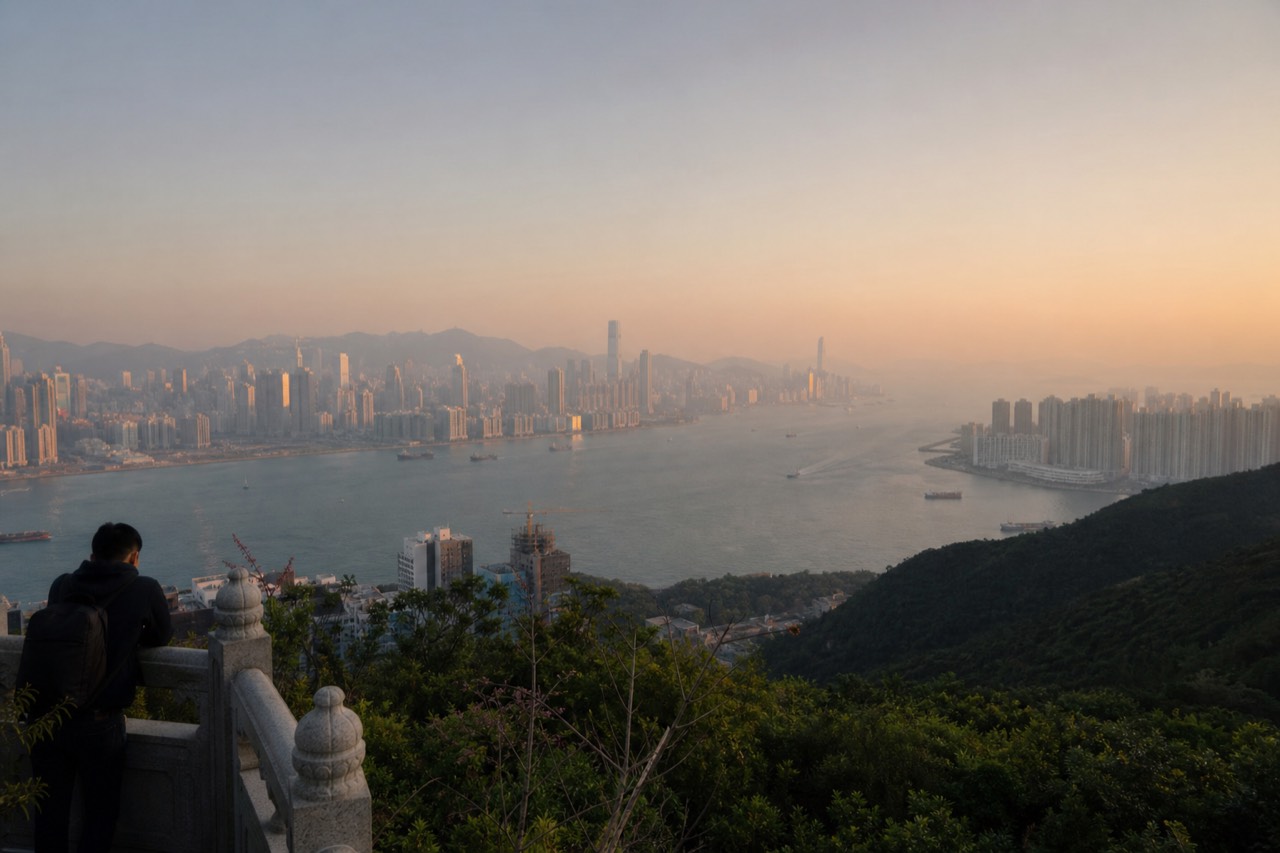
Hong Kong’s reputation for eye‑watering rents and five‑star dining can make the idea of a free day out sound like wishful thinking. In reality, a small but genuine collection of free experiences exists, and the most rewarding of them sit at opposite ends of the city’s geography. On Hong Kong Island, a two‑hour walking tour run by an independent local guide introduces you to Central’s colonial past, its post‑handover identity and the street‑level politics that shape the city today (see Best Hong Kong Island). On Lantau Island, the Hong Kong Ngong Ping Cable Car terminal serves as the gateway to a plateau where climbing the Tian Tan Buddha costs nothing, and the monastery grounds are open to all. The trick is knowing which parts are truly free, which only look free, and how to stitch them together without blowing a day’s budget on transport.
What free things can you actually do in Hong Kong?
The core free activities are a pay‑what‑you‑want walking tour in Central, the climb to the Tian Tan Buddha, and time spent in Ngong Ping Village and Po Lin Monastery. None of these charge an entry fee, though reaching the Buddha requires a paid journey to Lantau. The walking tour operates on a tip‑based model where you contribute what you think the experience was worth. Other free draws like the Wisdom Path are currently closed, so the list is shorter than many travel blogs suggest.
Hong Kong’s geography splits its free offerings into two distinct half‑days. The first is an urban morning or afternoon on Hong Kong Island, centred on a guided walk through the streets of Central and Sheung Wan. The second is a day trip to Lantau Island, where the plateau around Ngong Ping holds the Big Buddha, Po Lin Monastery and a purpose‑built tourist village. The village itself is free to enter and walk around, though its indoor attractions carry a small charge.
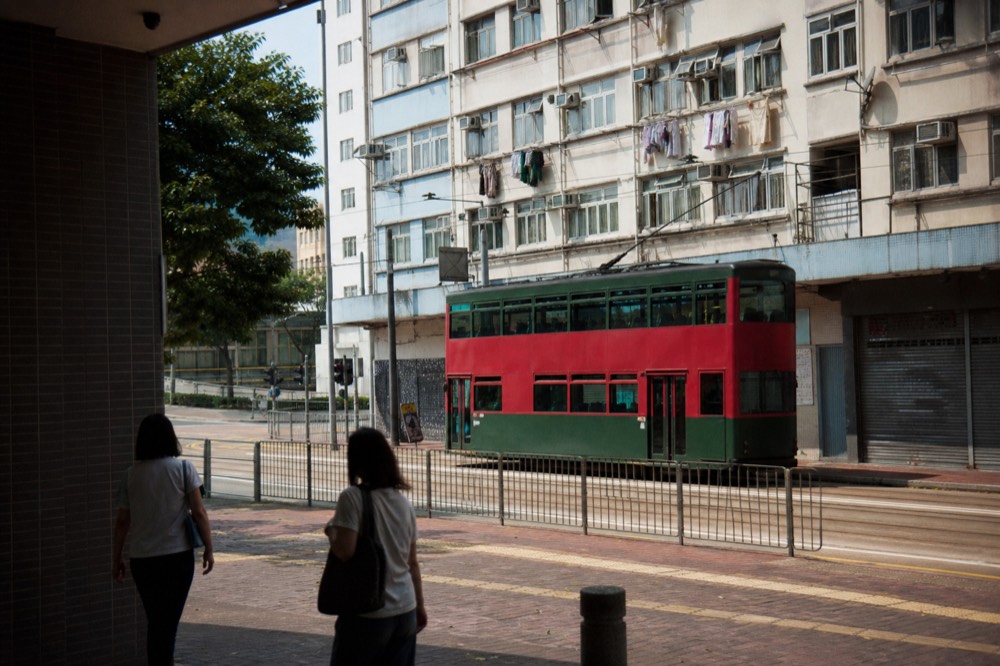
The walking tour is the most accessible free activity for anyone staying on Hong Kong Island or Kowloon. It runs entirely on foot, starts from a clearly marked meeting point in Central and covers roughly two hours of history, politics and everyday life. Because it is a pay‑what‑you‑want model, you decide the value at the end, and the guide’s income depends entirely on the group’s contributions. The tour does not visit Lantau, the cable car or the Big Buddha, and it never claims to. That geographic honesty matters: a free morning in Central and a paid transport day to Lantau are two separate outings, not one.
The Big Buddha climb is free once you are standing on the Ngong Ping plateau. The 268 steps are open to anyone, with no ticket booth and no time limit. The surrounding monastery grounds and the village square are also free, meaning you can spend several hours on the plateau without paying a single admission fee. The cost lies entirely in getting there, and that cost varies sharply depending on whether you take the bus or the cable car.
What does the free GuruWalk tour cover?
The walk is a two‑hour English‑language introduction to Hong Kong’s history and its relationship with mainland China, led by a local guide from Hong Kong Free Tours. It meets in Central on Hong Kong Island and covers colonial architecture, the handover, the city’s legal system and contemporary social issues. The walk is listed on GuruWalk, an independent walking‑tour platform, and operates on a pay‑what‑you‑want basis with no fixed fee. The guide does not take you to Lantau, the cable car or the Big Buddha.
The meeting point is in Central, a short walk from the MTR station, and the route stays entirely on Hong Kong Island. The guide walks you through the historic heart of the city, stopping at landmarks that tell the story of British rule, the 1997 handover and the “one country, two systems” framework that still defines Hong Kong’s identity. The tour is not a dry lecture: it weaves in street‑level observations, personal anecdotes and real‑time context about protests, press freedom and daily life.
Because the tour is listed on GuruWalk, you book a free spot through the platform and show up at the designated time. There is no upfront charge. At the end, each person contributes whatever they feel the experience was worth directly to the guide. The listing’s own schema markup shows an offer price of zero with no suggested minimum, so the model is genuinely open‑ended. The tour has earned a rating of 4.72 from 574 reviews (checked September 2026), making it one of the most reviewed free walks in the city.
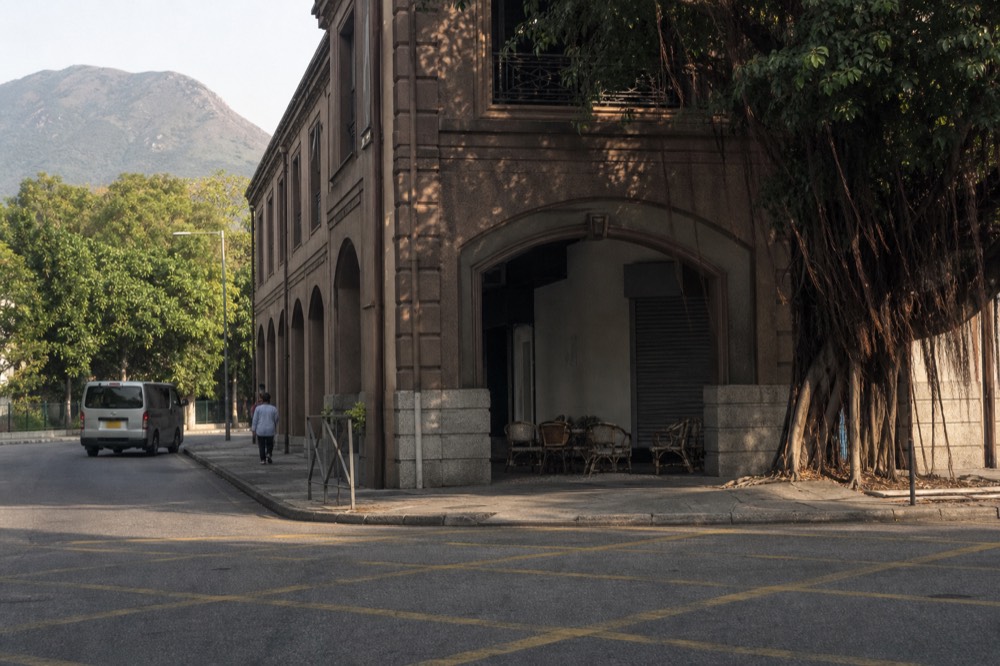
What the walk does not do is equally important. It does not cross the harbour to Kowloon, it does not ride the Star Ferry, and it does not set foot on Lantau Island. If your goal is to see the Big Buddha or ride the cable car, you will need a separate day. The walk is a self‑contained Central experience, and that is its strength: it gives you a grounded understanding of Hong Kong Island before you head out to the islands.
See this free tour on GuruWalk
Seven other free or pay‑what‑you‑want walks are also listed on GuruWalk, and they cover different corners of the city. The table below compares them honestly, including walks with only a handful of reviews or none at all, so you can judge the proposition for yourself.
| Walk | Rating | Reviews | Duration | Area |
|---|---|---|---|---|
| Introduction to Hong Kong – History, China Relationship | 4.72 | 574 (checked September 2026) | 2h | Central |
| SMALL GROUP – Monster Building (World’s Densest Residential) | 4.83 | 255 (checked September 2026) | 2h 15m | Eastern District |
| SMALL GROUP – Central, A Walk Back In Time | 4.79 | 146 (checked September 2026) | 2h 15m | Central |
| Tour of the Historic Centre (Old City of Victoria) | 4.93 | 59 (checked September 2026) | 3h 30m | Central |
| The forgotten: The poor side of Hong Kong | 4.9 | 48 (checked September 2026) | 3h | Various |
| Living museum experience through a historic district, Yau Ma Tei | 4.67 | 15 (checked September 2026) | 2h 30m | Kowloon |
| From Closed Area to Heritage: Borderland | 5.0 | 1 (checked September 2026) | 4h | Sheung Shui |
| Star Ferry in Kowloon to a million‑dollar view | 5.0 | 1 (checked September 2026) | 2h | Tsim Sha Tsui |
| Hong Kong Through Time: From Tramways to Victoria Harbour | No reviews yet | 0 | 3h | Wan Chai |
A walk with 574 reviews is a very different proposition from one with a single review or none, and the table makes that plain. The Central history walk is the most established of the bunch, and its high review count gives it a reliability that the newer listings cannot yet match.
What does a Lantau day trip cost if you do it on a budget?
The cheapest way to reach the Big Buddha from Hong Kong Island is the MTR Tung Chung Line to Tung Chung, then New Lantao Bus 23 to Ngong Ping. An adult Octopus fare from Hong Kong Station to Tung Chung is HK$24.30 (checked September 2026), and the bus costs HK$20.40 on a weekday or HK$37.00 on a Sunday or public holiday (checked September 2026). That puts the total return transport at roughly HK$89.40 on a weekday, or about $11.40. The Buddha climb itself is free, and you can spend hours on the plateau without paying another dollar.
This is the genuine budget option, and it works. The MTR ride takes about 30 minutes from Central, and the bus winds up Tung Chung Road for another 30 to 40 minutes (see Tung Chung to Tai O). The bus is not scenic in the way the cable car is, but it is reliable and runs even when the cable car is closed for maintenance or weather. On a Sunday or public holiday the bus fare nearly doubles, which is a real bite for a budget traveller, so a weekday trip is the smarter financial move.
Once you are on the plateau, the free part of the day begins. The 268‑step climb to the Buddha is open and unstaffed. Po Lin Monastery’s grounds are free to enter, and you can walk through the main shrine hall, the courtyard and the surrounding gardens without a ticket. Ngong Ping Village is also free to stroll, with its Bodhi Tree, blessing drums and viewing platform all accessible at no cost. The only charges on the plateau are for the vegetarian meal at the monastery, the indoor village attractions, and the return journey.
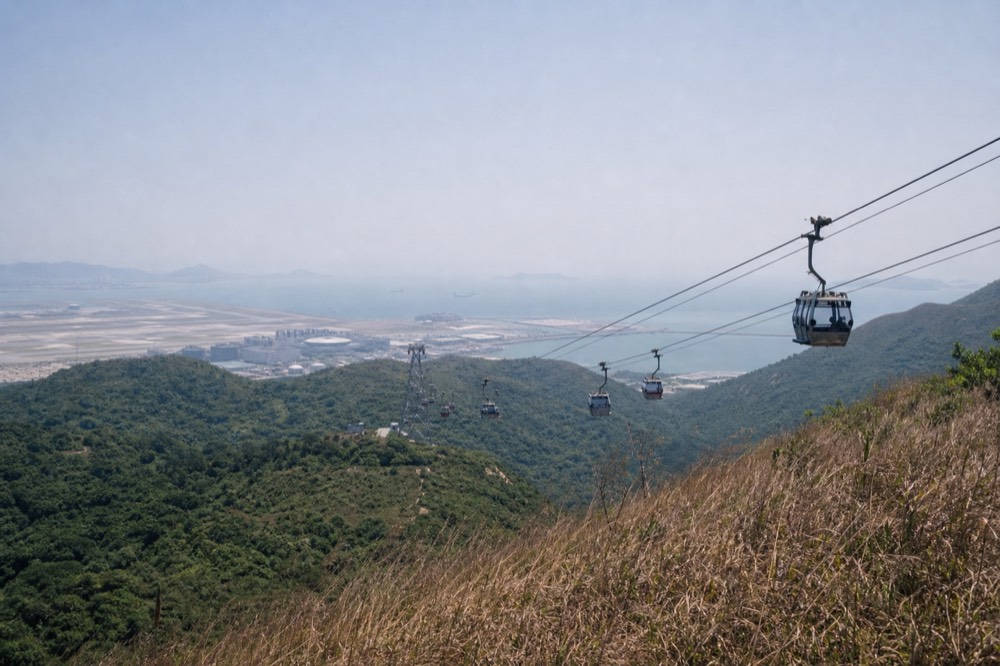
The cable car is the obvious paid upgrade, and for many visitors it is the highlight of the day. A one‑way Standard Cabin ticket starts at $21.15 (checked September 2026), and a round trip at $29.39. The ride is 5.7 km long, takes about 25 minutes each way and crosses Tung Chung Bay, the airport and the green slopes of North Lantau Country Park. It is not free, but it is the reason many people make the trip in the first place.
How does the cable car compare to the bus for getting to the Big Buddha?
The cable car takes 25 minutes and offers panoramic views of the airport, the Hong Kong–Zhuhai–Macau Bridge and the South China Sea. The bus takes 30 to 40 minutes on a winding mountain road with no scenic overlooks. The cable car costs from $21.15 one way (checked September 2026); the bus costs HK$20.40 on a weekday (checked September 2026). The cable car is suspended during high winds and typhoon signals, while the bus runs in all but the most extreme weather. The cable car also has a separate Crystal Cabin line with a glass floor, which reviewers say cuts queue times dramatically.
The choice between the two is a real budget decision, not a rhetorical one. If you are counting every dollar, the bus is the answer, and it gets you to the same plateau. If you want the experience that defines a Lantau visit, the cable car is the better choice, and the price difference is smaller than many visitors expect (see Island or Lantau?). On a weekday, the one‑way Standard Cabin fare and the bus fare are almost identical, though the cable car’s round‑trip price is higher.
Queue times are another factor that tilts the comparison. Visitor reports from late 2025 and early 2026 describe Standard Cabin waits of one to three hours, even on weekdays. A pre‑booked e‑ticket lets you skip the ticket‑purchase queue, but you still join the boarding line. Crystal and Crystal+ cabins have their own, much shorter boarding line, and reviewers consistently report waits of around 10 minutes for those cabins against well over an hour for Standard. The Crystal upgrade, in other words, is as much a queue product as a view product.
The table below compares the free Central walking tour and a Lantau cable car day side by side, so you can see exactly what each half‑day involves.
| Free Central walking tour | Lantau cable car day (Standard Cabin round trip) | |
|---|---|---|
| Cost | Pay‑what‑you‑want (tip at end) | $29.39 for the cable car (checked September 2026), plus MTR HK$24.30 each way (checked September 2026). Total about $77.99 return from Central. |
| Location | Central, Hong Kong Island | Lantau Island, starting at Tung Chung |
| Duration | 2 hours | Allow 4–5 hours including the ride, Buddha climb and village |
| What you see | Colonial architecture, handover landmarks, street‑level politics | Aerial views of the airport, bridge and country park; the Big Buddha, Po Lin Monastery and Ngong Ping Village |
| How to book | Reserve a free spot on GuruWalk | Book an e‑ticket online through the operator’s live listing; scan the QR code at the turnstile |
The free walk and the cable car day are not alternatives to each other; they are two different days. A visitor with two full days in Hong Kong can do both, and the total spend for the Lantau day can be kept under $80 (checked September 2026) with careful choices.
Booking the cable car ticket online is the simplest way to secure a spot and skip the ticket counter. The operator’s e‑ticket is scanned directly at the turnstile, so you walk straight to the boarding line. The live listing shows real‑time availability, and standard‑tier tickets come with free cancellation before redemption. That flexibility matters on a day when fog or a typhoon signal could suspend the service.
What else is free on Lantau once you are there?
The Tian Tan Buddha climb, Po Lin Monastery grounds, Ngong Ping Village square and the viewing platform are all free. The Wisdom Path has been closed since 5 June 2025 for refurbishment and is not expected to reopen until late 2026. The vegetarian meal at Po Lin Monastery carries a charge, and the indoor village attractions cost HK$20 each as an upgrade to a cable car ticket. Tai O fishing village is free to walk around, though reaching it requires a bus ride. (checked September 2026)
The Big Buddha is the centrepiece of any free Lantau visit. The statue’s face is a single 5‑tonne bronze casting, and the whole figure was wind‑tunnel tested in the Beijing facility built for satellites and rockets. The 268 steps are a workout, but the view from the top, across the plateau and out to the South China Sea, is worth the climb. There is no time limit, and the platform around the Buddha’s base is open to anyone who makes it up.
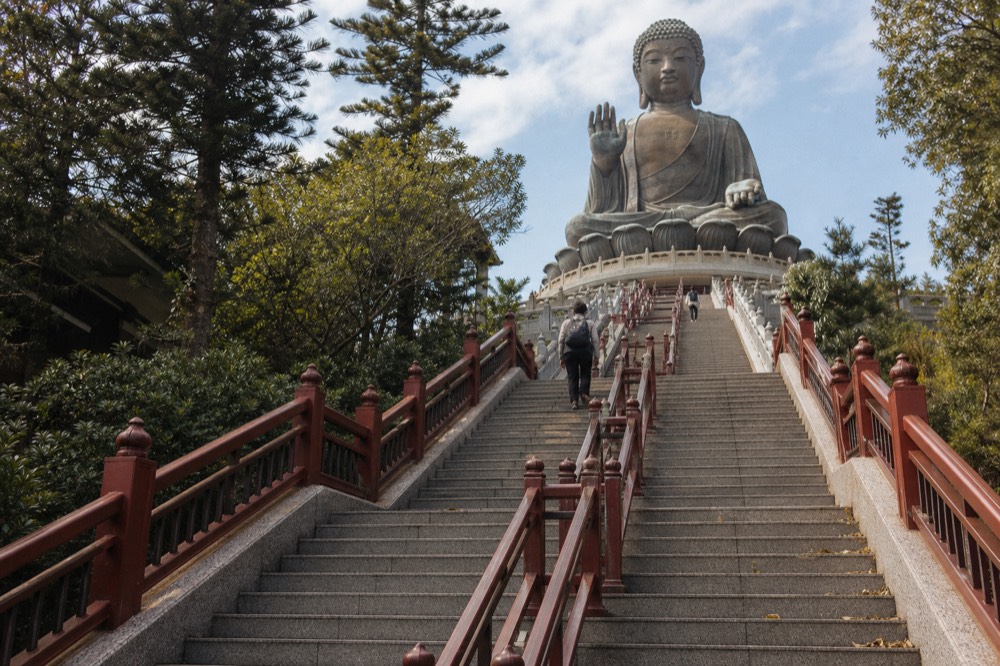
Po Lin Monastery sits directly beside the Buddha, and its grounds are open from 09:00 to 18:00. The main shrine hall, the courtyard with its incense burners and the surrounding gardens are all free to enter. The vegetarian kitchen serves a set meal from 11:30 to 16:30, but the monastery does not publish a price, and third‑party reports vary widely, so budget for a meal if you plan to eat there. The snack shop next door sells bean curd dessert and mango glutinous rice dumplings, which are a cheaper and quicker option.
Ngong Ping Village is a 1.5‑hectare themed square built next to the cable car terminal. Walking through it costs nothing, and the Bodhi Tree, blessing drums and viewing platform are all open. The indoor attractions, Motion 360 and the Cable Car Discovery Centre, charge HK$20 each (checked September 2026) when bought as an upgrade to a cable car ticket. Without a cable car ticket, standalone prices are not published, so the upgrade route is the only verifiable way to access them cheaply.
The Wisdom Path, a set of 38 timber columns inscribed with the Heart Sutra, has been closed for refurbishment since early June 2025. The Hong Kong Tourism Commission expects the work to finish in the last quarter of 2026, with a staged reopening after that. For now, it is unavailable, and any guide that lists it as a free attraction is out of date.
How do you book the free walking tour and the cable car?
The walking tour is booked through GuruWalk: you reserve a free spot on the listing and show up at the meeting point in Central. The cable car ticket is booked through the operator’s live listing, where an e‑ticket is issued and scanned directly at the turnstile. Both bookings are straightforward, but they live on separate platforms and serve separate days. The walking tour requires no payment upfront; the cable car ticket is paid at the time of booking.
The GuruWalk platform handles all the logistics for the free tour. You pick a date and time, enter your details and receive a confirmation. The guide waits at the meeting point with a sign, and the group size is capped to keep the experience manageable. The pay‑what‑you‑want model means you carry cash or a payment app and hand the guide whatever you feel the walk was worth at the end. There is no pressure to tip a specific amount, though guides in Hong Kong typically receive between HK$100 (checked September 2026) and HK$200 per person for a two‑hour walk, according to traveller forums.
The cable car ticket is a separate booking, and it is worth doing ahead of your Lantau day. An e‑ticket bought online lets you walk past the ticket‑purchase queue at Tung Chung and head straight to the boarding line. The operator’s live listing shows the available cabin types and departure dates, and standard tickets come with free cancellation before the travel date. If the weather turns and the cable car is suspended, guests holding tickets can exchange for another date or request a refund at either terminal’s ticket office.
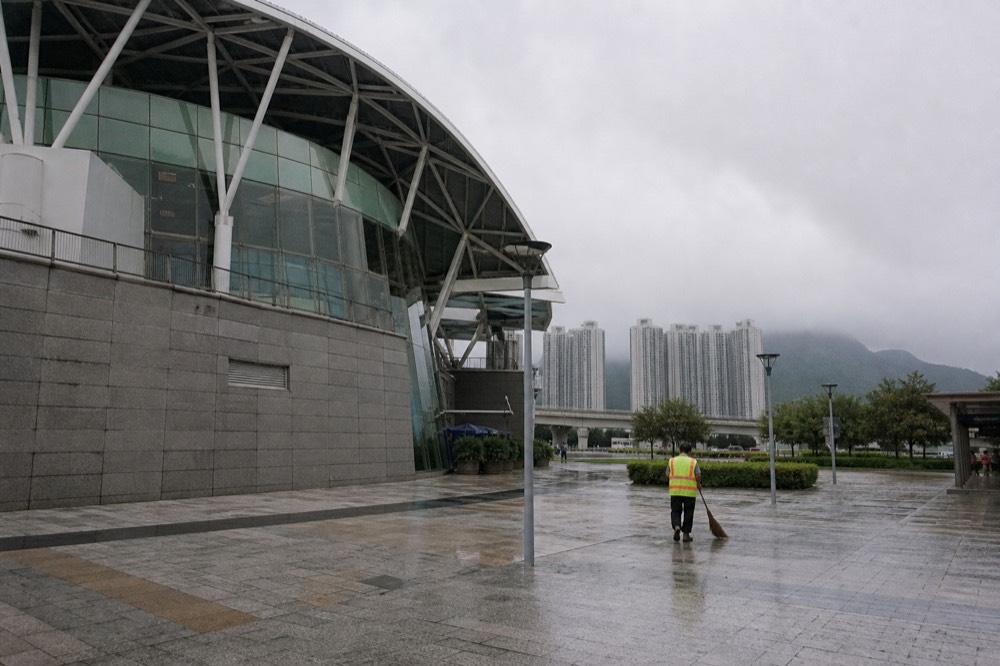
Combining the free walk and the Lantau day into a single trip requires a little planning, but it is the most rewarding way to see both sides of Hong Kong on a budget. A morning walk in Central followed by lunch and an afternoon MTR ride to Tung Chung gives you a full day, though you will want to check the last cable car departure time and the bus timetable before you commit to a late start. The cable car’s last boarding time is not published for normal days, so plan to be at the terminal by late afternoon to avoid being stranded.
Common questions about free things to do in Hong Kong
Is the GuruWalk tour really free?
The tour has no upfront fee, and the listing’s price is zero. It runs on a pay‑what‑you‑want model: at the end, each person contributes directly to the guide whatever they think the experience was worth. There is no suggested minimum, but guides rely on tips as their income, so most participants give something.
How much should I tip on a free walking tour?
There is no official figure, but traveller reports suggest HK$100 (checked September 2026) to HK$200 per person for a two‑hour tour is common. The amount is entirely at your discretion, and the guide will not pressure you. Cash is simplest, though some guides accept payment apps.
Can I see the Big Buddha for free?
Yes, climbing the 268 steps to the Tian Tan Buddha and walking around the base platform is free. The costs are in getting to the Ngong Ping plateau: the cheapest route is the MTR to Tung Chung plus New Lantao Bus 23, totalling about HK$44.70 (checked September 2026) on a weekday. The cable car is a paid alternative.
Is the cable car to the Big Buddha free?
No, the Ngong Ping 360 cable car is a paid ride. A one‑way Standard Cabin ticket starts at $21.15 (checked September 2026), and a round trip at $29.39. Crystal and Crystal+ cabins cost more. The cable car is not a free activity, but it is the most scenic way to reach the plateau.
What free attractions are near the Big Buddha?
The Big Buddha itself, Po Lin Monastery grounds and Ngong Ping Village are all free to enter. The Wisdom Path is closed for refurbishment until late 2026. Tai O fishing village is free to walk around, but you need a bus ride to get there.
Do I need to book the free walking tour in advance?
Yes, you reserve a free spot on the GuruWalk listing. Walk‑ups are not guaranteed, and popular time slots fill up. The booking confirms your place and gives you the meeting point details.